
The Moral Cost of Victory
The Good ShepherdThis flow traces the emotional and ethical burden George Krause carries when tactical success means the death of enemy sailors and losses among his own crew.
increasing Bearing strength in each event
 decreasing
Bearing strength in each eventdecreasingThe First U-Boat Destroyed
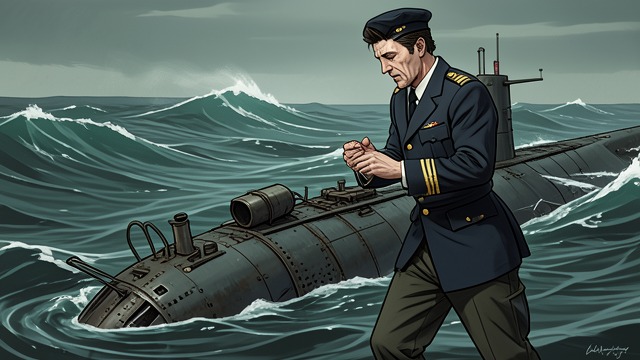
The First U-Boat Destroyed
Success heard underwater
Viktor reports that the submarine has been destroyed after Keeling and Viktor’s depth-charge attacks. George Krause’s long-awaited success leaves him briefly unable to respond.
Men behind the target
He thinks of the roughly fifty sailors who have died below the sea. Their deaths are the direct result of his command, even though the submarine threatened the convoy and destruction of the enemy was the military objective.
Returning to duty
George Krause quickly resumes giving orders and returns the escorts to their stations. The work does not let him dwell on grief, but the victory’s moral weight remains beneath his practical response.
Names of the Dead
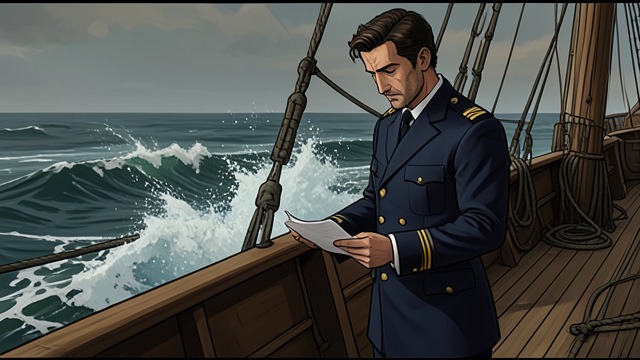
Names of the Dead
Casualty reports
After Keeling defeats another submarine, the ship reports three killed and two wounded. The names and injuries make the cost immediate and personal within the destroyer.
Work before mourning
George Krause continues damage control, orders, reports, and the burial arrangements. He is too exhausted and occupied to feel the deaths fully at first.
A moment of recognition
The captain later realizes the dead were the first men killed under his command. The realization hurts more because his earlier emotional blankness seems incompatible with the respect he believes they deserve.
The Enemy as a Fighter
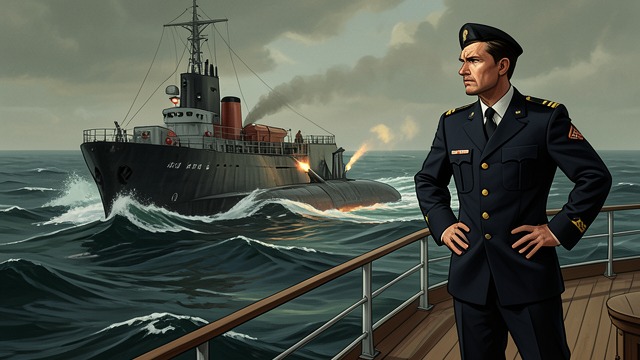
The Enemy as a Fighter
A final attack
The submarine fights Keeling and Dodge on the surface, damaging Keeling before it is destroyed. Its crew continues firing amid the chaos, and George Krause recognizes the discipline behind the last attack.
Respect without surrender
George Krause does not confuse respect for an enemy’s courage with approval of the enemy’s cause. The submarine remains a threat to the convoy, yet its crew’s final conduct commands acknowledgment.
A costly triumph
The comparison between the enemy’s dead and Keeling’s casualties leaves victory without simplicity. Success means the convoy survives another danger, but it also means human lives have ended on both sides.
Wednesday afternoon after Viktor reports the crunch
Thursday afternoon after the second U-boat is destroyed
Thursday afternoon after the U-boat sinks beside Keeling
